
Lectures
The LEAP Lecture
Since 2016 LEAP has invited one scholar a year to Stellenbosch to deliver the LEAP Lecture. Here is every lecture so far, with its film.
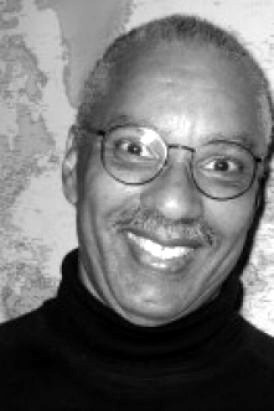
Next · No. 11
Warren Whatley
University of Michigan
Domar in Africa
18:00, Stellenbosch. The venue will be announced.
2016 to the present
The lectures
-
2025 No. 10
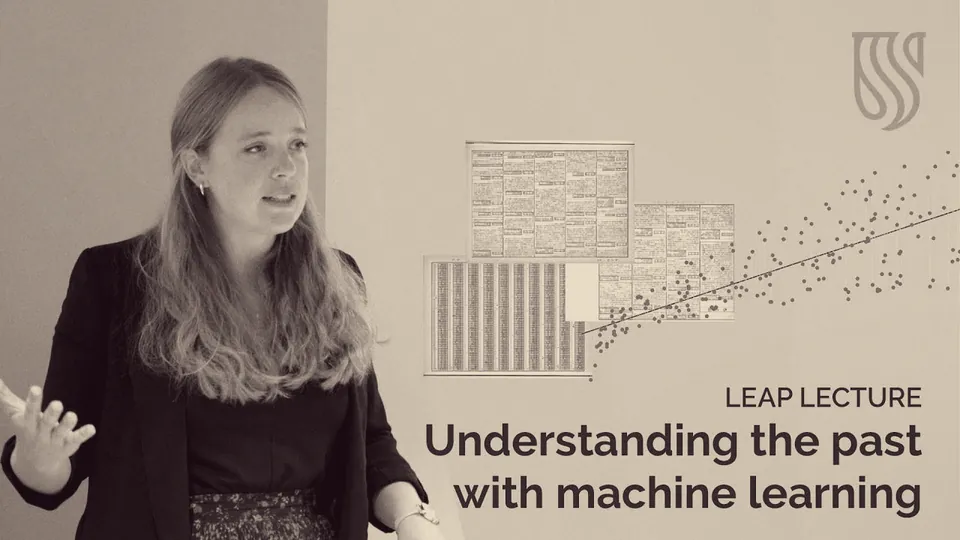
-
2024 No. 9
Michael Muthukrishna
London School of Economics
A Theory of Everyone: The New Science of Who We Are, How We Got Here and Where We're Going

-
2023 No. 8
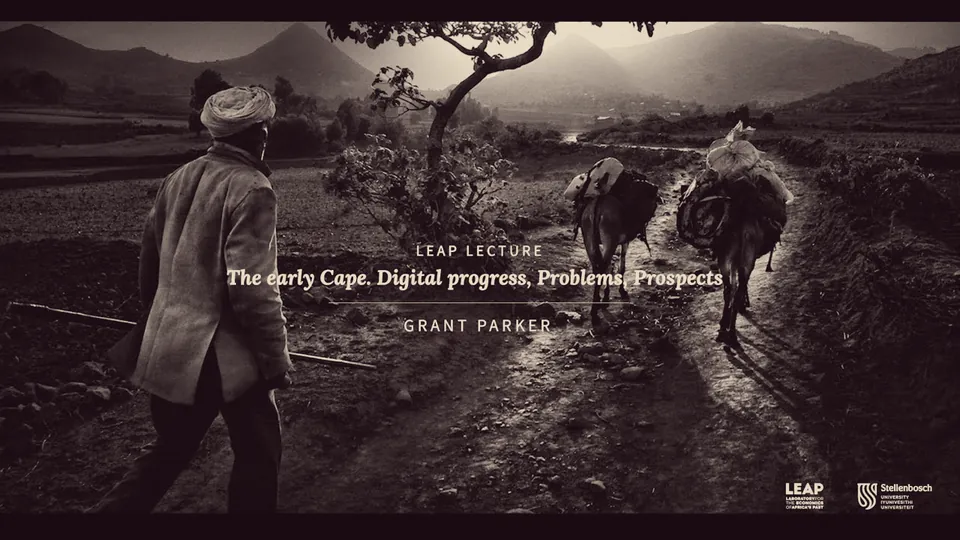
-
2022 No. 7
Anne McCants
Massachusetts Institute of Technology
What Makes for Good Social Science History?
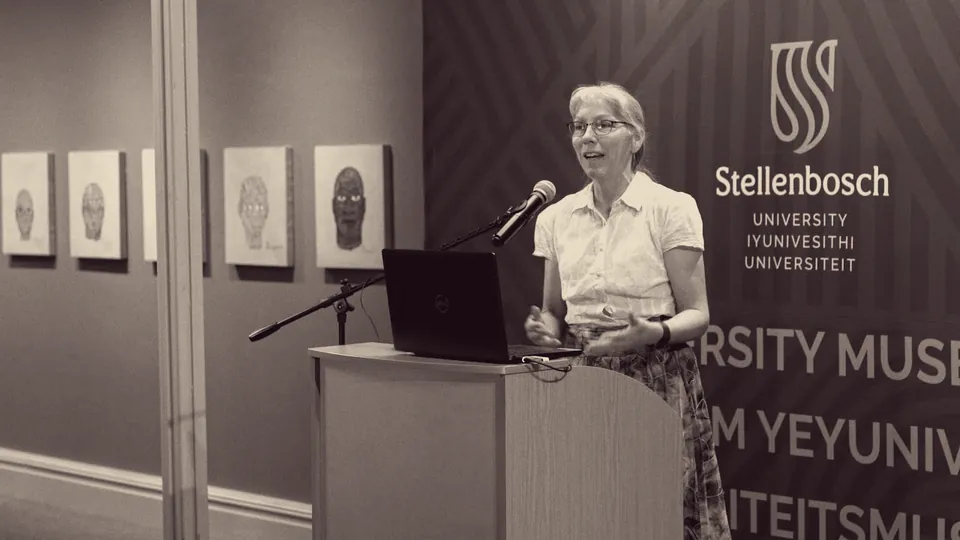
-
2021 No. 6
Dozie Okoye
Dalhousie University
Perspectives on Christian Missions and African Social Development
-
2020 No. 5
A roundtable on women and work
Women and Work in History and Economics
Alice Evans, Emmanuel Akyeampong, Jane Humphries, Joyce Burnette and Ushehwedu Kufakurinani, online
-
2019 No. 4
Suresh Naidu
Columbia University
Terms of Service: Monopsony from American Slavery to Amazon Mechanical Turk
-
2018 No. 3
-
2017 No. 2
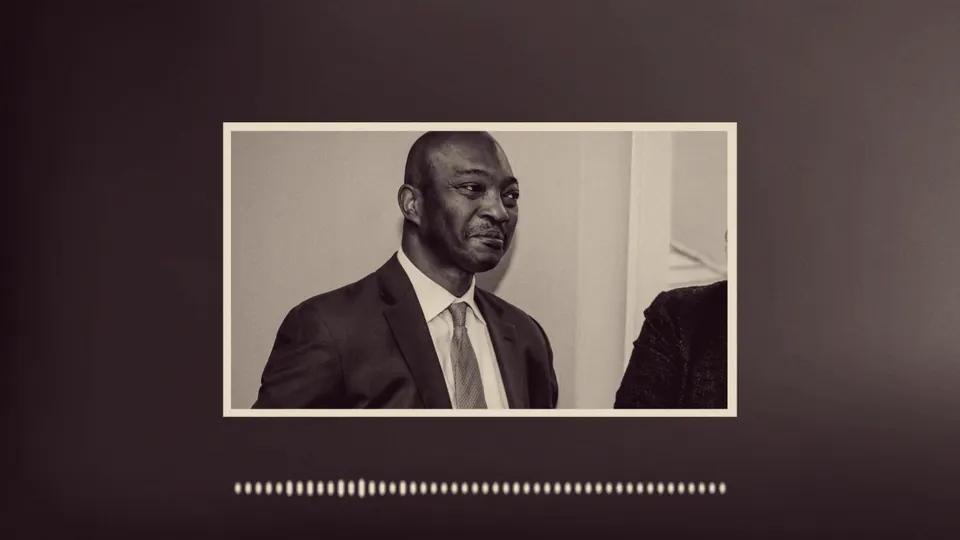
Emmanuel Akyeampong
Harvard University
African Socialism
Opened the African Economic History Network meeting at STIAS
-
2016 No. 1
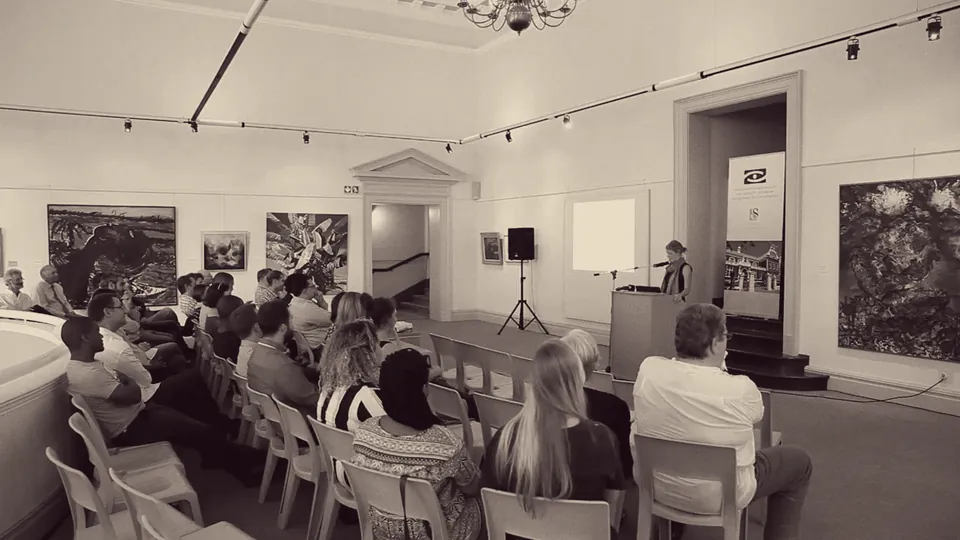
Marianne Wanamaker
University of Tennessee
150 Years of Economic Progress for African American Men: Measuring Outcomes and Sizing up Roadblocks
December 2016
The series
One lecture a year
The LEAP Lecture brings a leading scholar of economic history to Stellenbosch each year, to speak to students, colleagues and the public. The first, in December 2016, was given by Marianne Wanamaker. In 2020 the lecture became an online roundtable, and in 2025 it closed a conference on AI and economic history.