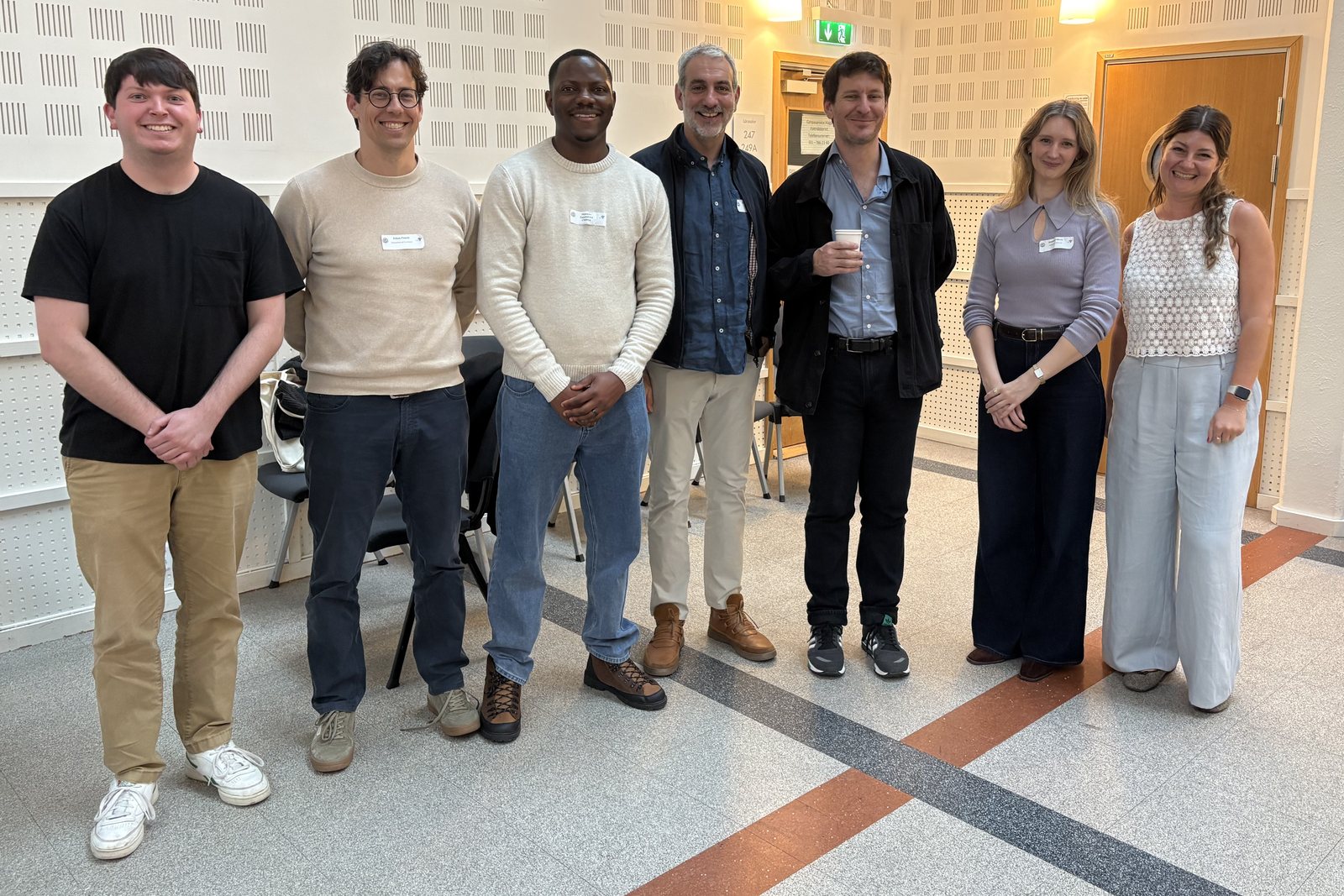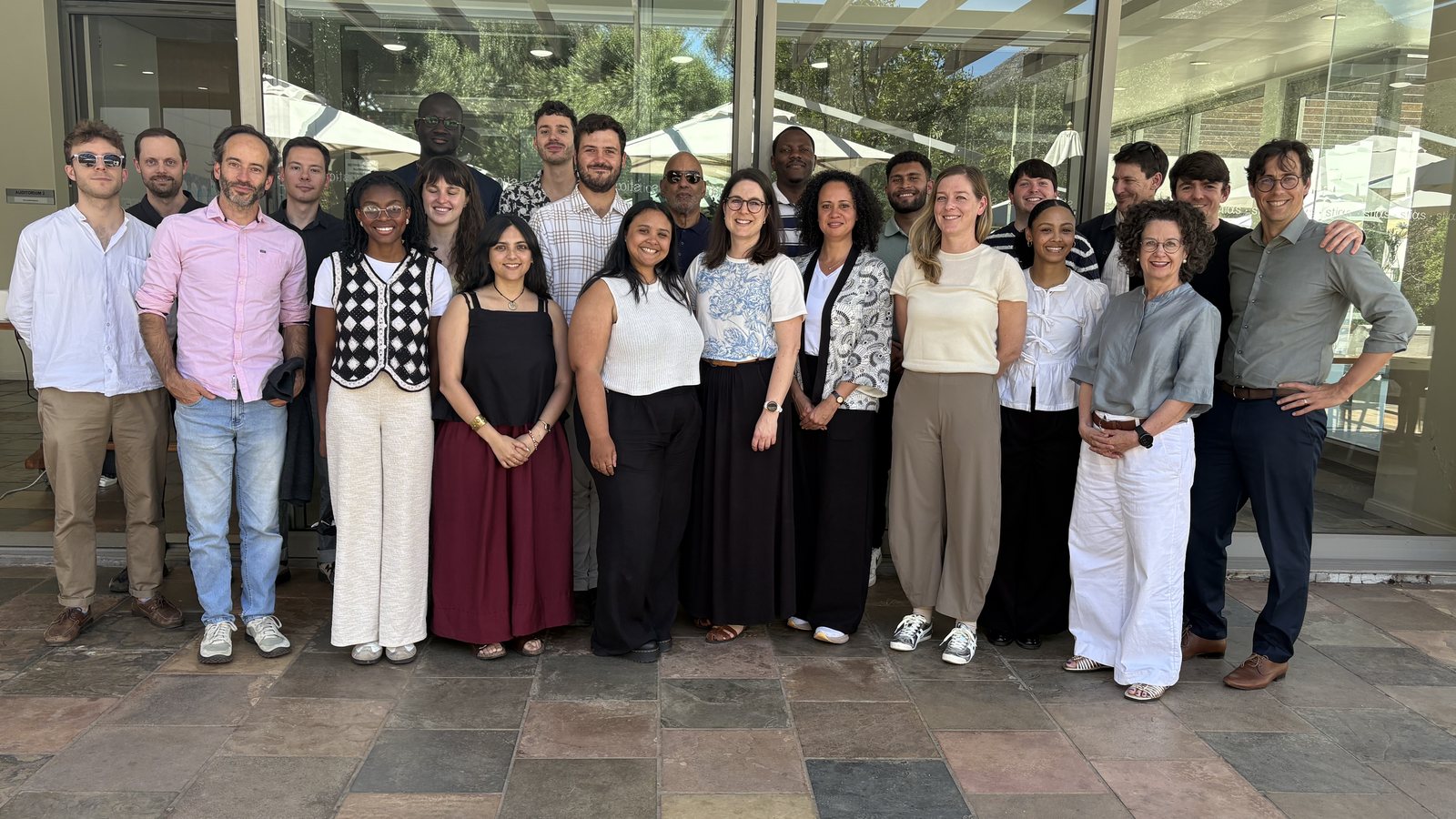
LEAP hosted two one-day workshops at the Stellenbosch Institute for Advanced Study (STIAS) this month. Both produced many fruitful discussions.
Culture and economic policy, 9 November
Sara Lowes of the University of California, San Diego, opened the first workshop with a keynote, Culture at a Crossroads. Nine papers followed in four sessions: the deep roots of culture; kinship, custom and the state; cultural encounters; and grievance, legitimacy and resistance. They ranged from bedrock geology and the origins of ethnic identity to ancestral beliefs and fertility, chiefs’ authority over assets in rural Malawi, European travel accounts of Africa, and resistance to taxation in colonial Nigeria. LEAP’s Etienne Le Rossignol and Edward Kerby presented papers, and Kate Ekama, Lauren Stevens-Harris, Lisa Martin and Munashe Chideya chaired the sessions.
The day ended with the eleventh LEAP Lecture, in which Warren Whatley of the University of Michigan spoke on Domar in Africa. Watch the lecture.
AI and economic policymaking, 12 November
The second workshop, co-hosted with the Policy Innovation Lab, asked how artificial intelligence is changing the way economic policy is made, measured and governed.
David Yanagizawa-Drott of the University of Zurich gave the keynote, Verifying the Verifiers: Towards Autonomous Policy Evaluation, written with Olaf Willner. AI can now write policy evaluation papers from start to finish, and checking thousands of them by hand is not possible, so the checking must be automated too. Their benchmark shows how quickly language models have become better at finding errors in such papers: eighteen months ago the best models missed two of every three errors; in July 2026 the first model found 99 percent of them.
Three sessions followed, on AI in the policy process, AI and measurement, and the governance of AI. In the first, Johan Fourie and Zsuzsa Welker presented Economics for Policymakers: How AI Can Strengthen Policymaking in South Africa. Panels of model-generated economists reviewed sixteen South African draft policies and raised 180 concerns, at a total cost of R471. Twenty-five South African economists, rating a blind sample, judged 75 percent of these concerns valid, against 79 percent of the findings in published reviews.
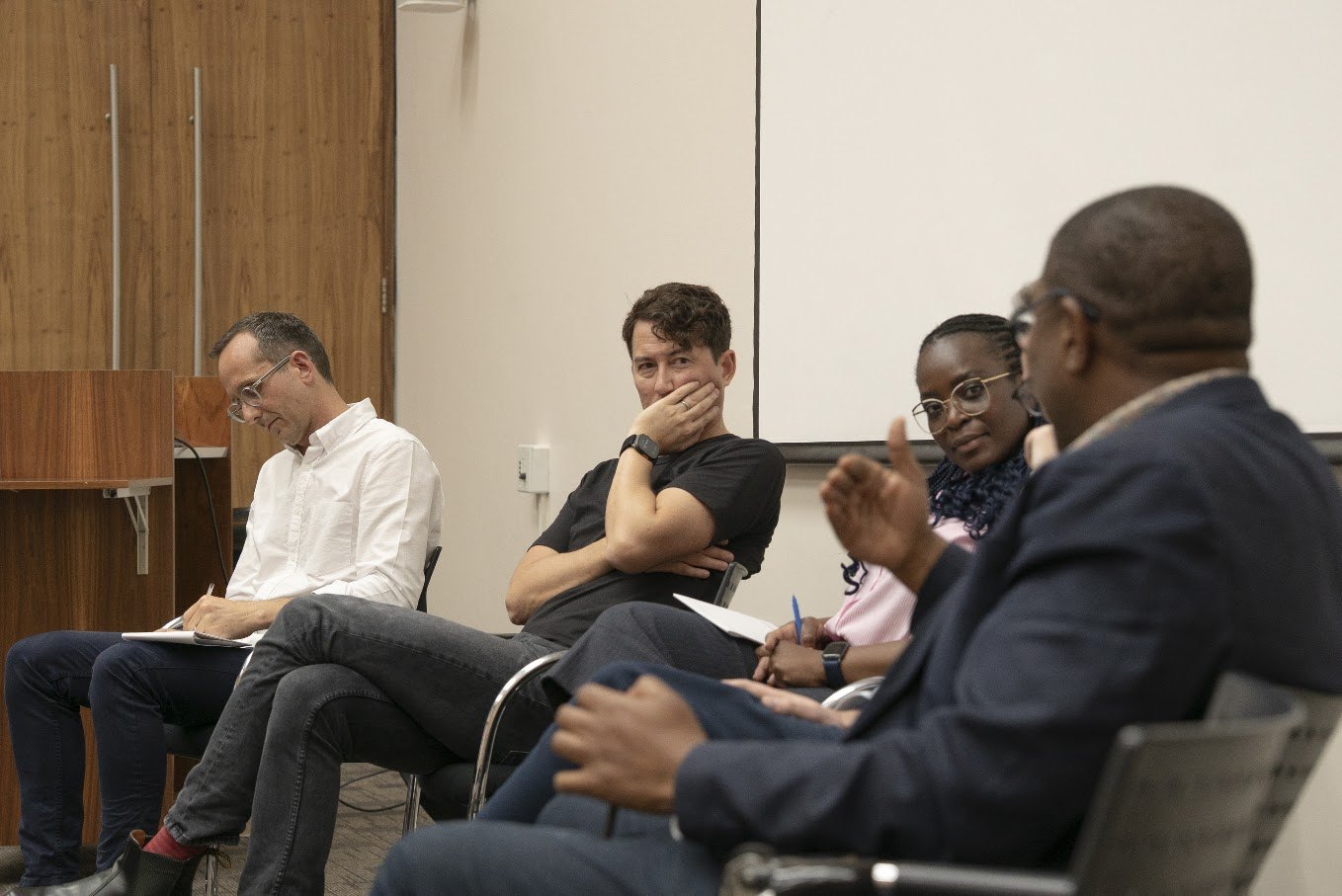
Two panels brought researchers and officials together. In the first, on AI and economic policy, Willem Fourie led Laurence Wilse-Samson (SA Policy Space), David Yanagizawa-Drott, Dumebi Ubogu (Director: Data Science, National Treasury) and Thamsanqa Ngwenya (Deputy Director-General, The Presidency). In the second, on AI and its economic impact, Johan Fourie led Abdoulaye Ndiaye (NYU Stern), Sara Lowes, Rachel Jafta (Stellenbosch University) and Neil Rankin (Predictive Insights).